Furnace Repair Santa Clara, UT
How a Furnace Actually Heats Your Home
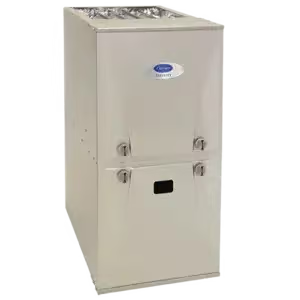
A gas furnace pulls in cool air, passes it across a heated metal chamber called the heat exchanger, and pushes the warmed air back through your ductwork with a blower motor. Every part of this cycle depends on precise timing and proper airflow. When one component fails, the whole sequence stalls, and you feel it right away in a cold house on a January night in Santa Clara.
Understanding this process helps explain why a small problem can shut down an entire system. A cracked heat exchanger, a failing igniter, a clogged flame sensor, or a worn blower bearing each interrupts the cycle in a different way. When our technicians arrive, we trace the fault back through the sequence of operation, checking each stage from thermostat call to burner ignition to air delivery. This methodical approach lets us find the true cause instead of replacing parts and hoping the symptom disappears.
Signs Your Furnace Needs Attention
Furnaces rarely quit without warning. Most give off clues for days or weeks before they stop entirely. Learning to read those clues can save you from a total breakdown during a cold snap, and it helps us make a faster, more accurate repair when you call.
Some of the most common warning signs we respond to in Santa Clara include the following:
- Short cycling: The furnace turns on and off rapidly without completing a full heating cycle, often pointing to overheating, a dirty flame sensor, or a thermostat problem.
- Weak or cold airflow: Air comes through the vents but never feels warm, which can indicate a stuck igniter, a gas supply issue, or a failing blower motor.
- Unusual noises: Banging, squealing, or grinding sounds usually mean loose components, worn bearings, or delayed ignition.
- Rising energy bills: A furnace working harder than it should burns more fuel to produce the same amount of heat.
- A yellow burner flame: A healthy flame burns blue and steady, while a flickering yellow flame can signal incomplete combustion and possible carbon monoxide risk.
If you notice any of these, do not wait for the system to fail completely. A quick diagnostic visit almost always costs less and takes less time than an emergency repair after the furnace shuts down.
Our Furnace Repair Process
When you call S&S Mechanical for furnace repair in Santa Clara, we follow a consistent process designed to get your heat back safely and quickly. We start with a full inspection rather than a guess, because a rushed diagnosis often leads to repeat visits and wasted money.
Our typical repair visit moves through these stages:
- Initial assessment: We listen to your description of the problem and note when it started, how often it happens, and any sounds or smells you have observed.
- System testing: We check the thermostat, safety switches, igniter, flame sensor, gas pressure, and blower to see where the heating cycle breaks down.
- Safety verification: We inspect the heat exchanger and venting for cracks or blockages that could allow carbon monoxide into your home.
- Repair and replacement: We replace the failed part, clean any components that need it, and confirm the fix with a complete test run.
- Final check: We verify airflow, temperature rise, and safe shutdown before we consider the job done.
This step-by-step method reflects decades of hands-on experience. Opening up the shop over 40 years ago, S&S Mechanical started as a small operation and quickly grew through referrals from happy customers eager to tell their friends and family about their experiences. That reputation was built on doing the job right the first time, and we carry that same standard into every furnace call today.
Common Furnace Problems We Repair
Furnace failures tend to fall into a handful of categories, though the specific fix varies with the make, age, and condition of the unit. Ignition problems are among the most frequent. Modern furnaces use electronic igniters that wear out over time, and a cracked or dirty igniter simply will not light the burners. We test the igniter and its control board to confirm the fault before replacing anything.
Blower motor and airflow issues make up another large share of our work. When a motor fails or a capacitor weakens, the furnace may produce heat but never move it through the house. Dirty filters and blocked returns can also cause overheating that trips safety limits. We clean, adjust, and replace these components to restore steady, balanced airflow throughout your rooms.
We also handle thermostat malfunctions, gas valve problems, cracked heat exchangers, and worn safety switches. Each of these carries different implications for both comfort and safety, and we explain what we find in plain terms so you can make an informed decision about repair or, in some cases, replacement.
Scheduling Service and Emergency Repairs
Our normal business hours are Monday through Friday 7am – 5pm, but we are also available on-call for emergencies. A furnace that quits on a freezing weekend does not wait for regular hours, and neither do we. Whether you need a routine diagnostic during the week or urgent help after a sudden failure, S&S Mechanical is ready to respond to homes and businesses throughout Santa Clara.
Keeping your furnace in good repair protects your comfort, your energy budget, and your family’s safety. Reach out whenever you notice the warning signs, and we will bring the experience and care that our customers have trusted for more than four decades.