Air Conditioning Installation Santa Clara, UT
Planning an Air Conditioning Installation in Santa Clara, UT
You may be replacing a system that finally gave out during a July heat spell, or you may be building a new home and choosing cooling equipment for the first time. Either way, the decision you make now will shape your indoor comfort and energy bills for the next 12 to 20 years. Santa Clara sits in a part of southern Utah where afternoon temperatures climb well past 100 degrees for weeks at a time, so the margin for a poorly matched or badly installed system is small. A unit that struggles to keep up in August is a daily reminder of a choice that could have gone differently.
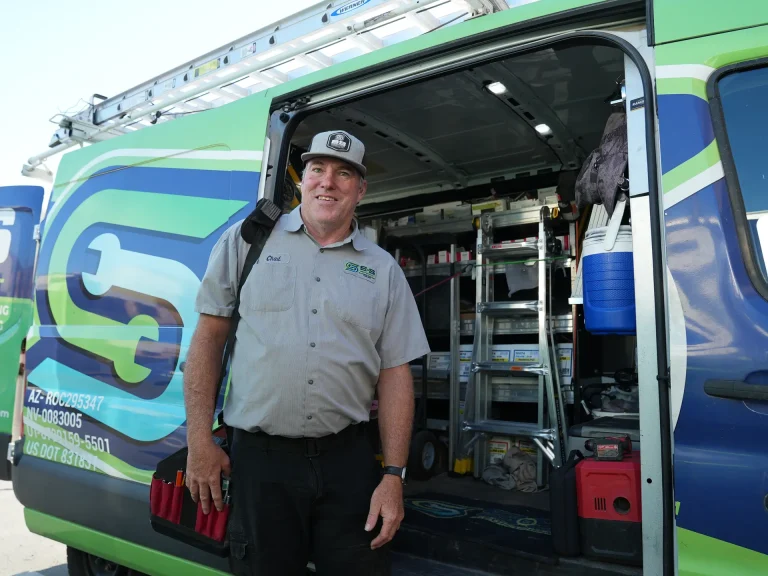
At Central AC Installation Santa Clara, UTS&S Mechanical, we approach every air conditioning installation as a system that has to perform in the specific conditions found in Santa Clara. That means factoring in the intense solar gain on west-facing walls, the dry air that changes how evaporative and refrigerant systems behave, and the way local homes are built and insulated. Opening up the shop over 40 years ago, S&S Mechanical started as a small operation and quickly grew through referrals from happy customers eager to tell their friends and family about their experiences. That reputation was built one correctly installed system at a time.
Matching Equipment to Your Home
Bigger is not better when it comes to air conditioning. An oversized unit cools the air quickly but shuts off before it removes humidity or evens out temperatures between rooms. This short cycling wears out components early and leaves you with cold spots and warm spots throughout the house. An undersized unit runs constantly and never quite reaches the thermostat setting on the hottest days. The correct size sits in a narrow window, and finding it requires measurement rather than guesswork.
We perform a load calculation for each installation. This process looks at the square footage of the conditioned space, the height of the ceilings, the number and orientation of windows, the level and type of insulation, the tightness of the building envelope, and even the number of people who typically occupy the home. From those inputs we determine the cooling capacity in BTUs that your space actually needs. Only after that calculation is complete do we recommend specific equipment, so the system you receive is matched to your building rather than pulled from a rule of thumb.
What Goes Into a Complete Installation
A quality installation is far more than setting a condenser on a pad and connecting a few wires. The details that happen out of sight determine whether the system reaches its rated efficiency and lasts its full service life. Here is what a thorough installation from our team includes.
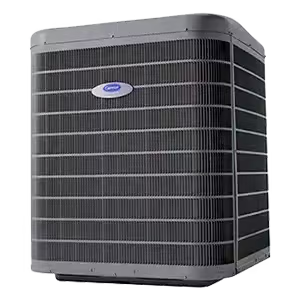
- Site preparation: We set a level, stable pad for the outdoor condenser and confirm it has proper clearance for airflow and future service access.
- Line set and refrigerant work: We size, route, and insulate the refrigerant lines, then evacuate the system to remove moisture and air before charging it to the manufacturer’s specification.
- Electrical connections: We verify the circuit, disconnect, and wiring meet code and match the equipment’s requirements so the unit starts and runs safely.
- Ductwork inspection: We check existing ducts for leaks, restrictions, and proper sizing, because even a top-tier unit loses performance through leaky or undersized ducts.
- Thermostat setup: We install and configure the controls, whether a standard programmable model or a smart thermostat, and confirm the system responds correctly.
- Startup and testing: We measure airflow, temperature split, and refrigerant pressures to confirm the finished system performs as designed before we consider the job complete.
Technical Specifications That Affect Comfort and Cost
When you compare air conditioning systems, a few specifications tell most of the story. The SEER2 rating measures seasonal efficiency, and in a climate where the unit runs for months, a higher rating can meaningfully reduce operating cost. Two-stage and variable-speed compressors adjust output to match demand, which improves both efficiency and comfort by running longer at lower speeds instead of blasting on and off. Variable-speed blower motors do the same for indoor airflow, holding temperatures steady and reducing noise.
Refrigerant type also matters as the industry transitions to lower global-warming-potential options. We can explain how these changes affect the equipment available to you and what they mean for long-term serviceability. Our goal is to give you enough information to make a confident decision rather than steer you toward a single product.
Service You Can Reach When You Need It
Air conditioning problems rarely wait for a convenient time. A system that quits on a Saturday afternoon in the middle of a heat wave is a real hardship, especially for households with young children, older adults, or anyone with health concerns. Our normal business hours are Monday through Friday 7am – 5pm, but we are also available on-call for emergencies, so you are not left waiting days for help when the heat is at its worst.
Choosing S&S Mechanical for your air conditioning installation in Santa Clara means working with a team that has spent decades refining how these systems are sized, installed, and supported. We would rather do the job right the first time and earn the kind of referral that has kept us busy for over four decades. When you are ready to talk through your options, we are glad to walk your space, run the numbers, and lay out a plan that fits your home and your budget.