Heating Maintenance Toquerville, UT
Understanding Heating Maintenance Requirements in Toquerville’s Desert Climate
Toquerville’s unique high desert environment presents specific challenges for heating systems that require careful attention and regular maintenance. With winter temperatures that can drop below freezing and dramatic temperature swings between day and night, your heating equipment works harder than systems in more temperate climates. AtS&S Mechanical, we’ve spent decades perfecting our approach to heater maintenance in this demanding environment, understanding that the red rock country and sandy conditions create additional wear on HVAC components.
The mineral-rich dust common to Southern Utah infiltrates heating systems more readily than typical household dust, potentially clogging filters faster and coating internal components. This accumulation affects heat transfer efficiency and can cause premature wear on moving parts. Our maintenance protocols specifically address these regional challenges, ensuring your heating system operates reliably throughout the cold season while maintaining optimal energy efficiency.
Essential Furnace Maintenance Components
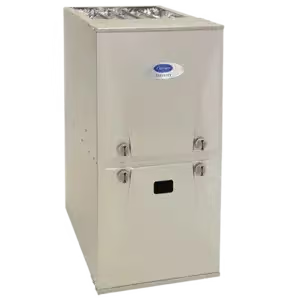
A comprehensive furnace maintenance program involves multiple critical inspection points and service procedures that extend far beyond simple filter replacement. We begin each maintenance visit with a thorough visual inspection of the heat exchanger, checking for cracks, corrosion, or signs of metal fatigue that could lead to dangerous carbon monoxide leaks. Using specialized inspection cameras and testing equipment, we examine areas not visible to the naked eye, ensuring complete safety for your household.
The burner assembly receives meticulous attention during our maintenance procedures. We remove and clean each burner, checking flame sensors, ignition systems, and gas pressure settings. Proper burner operation ensures complete combustion, which maximizes efficiency while minimizing the production of harmful byproducts. We also inspect and clean the blower assembly, lubricating bearings where applicable and checking belt tension on older systems. The blower capacitor undergoes testing to verify it maintains proper microfarad ratings, as a failing capacitor can cause intermittent operation or complete system failure during peak heating demands.
Control systems and safety devices require careful calibration and testing. We verify proper thermostat operation, check limit switches, test pressure switches, and ensure all safety interlocks function correctly. These components work together to maintain safe operation while providing consistent comfort throughout your home.
Preventive Maintenance Scheduling and Benefits
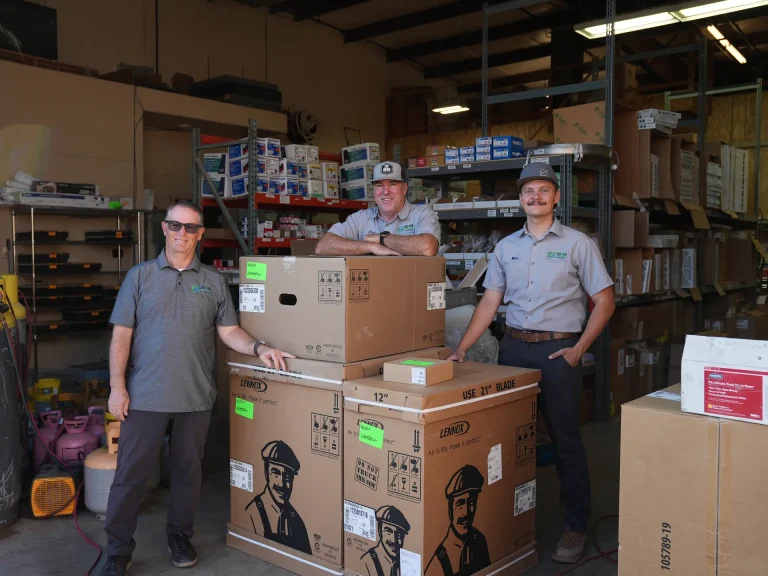
Establishing a regular heater maintenance schedule provides numerous advantages beyond simple reliability. Opening up the shop over 40 years ago, S&S Mechanical started as a small operation and quickly grew through referrals from happy customers eager to tell their friends and family about their experiences. This growth stemmed largely from our emphasis on preventive care rather than reactive repairs. Regular maintenance typically reduces heating costs by fifteen to twenty percent through improved efficiency, while extending equipment lifespan by five to seven years compared to neglected systems.
Our normal business hours are Monday through Friday 7am – 5pm, but we are also available on-call for emergencies. We recommend scheduling furnace maintenance in early fall, before the heating season begins in earnest. This timing allows us to identify and address potential issues before you need your heating system daily, preventing inconvenient breakdowns during cold weather.
Technical Inspection Procedures and Diagnostics
Modern diagnostic techniques enable us to identify developing problems before they cause system failure. We utilize digital combustion analyzers to measure carbon monoxide levels, excess air, and stack temperature, providing precise data about combustion efficiency. Electrical components undergo comprehensive testing using digital multimeters to verify proper voltage, amperage, and resistance values across all circuits.
- Heat exchanger inspection: utilizing borescopes and infrared cameras to detect hairline cracks invisible to standard visual inspection
- Airflow measurement: using manometers and anemometers to verify proper static pressure and cubic feet per minute delivery
- Gas pressure verification: checking both inlet and manifold pressures to ensure proper fuel delivery
- Electrical system analysis: measuring amp draw on motors and verifying capacitor microfarad ratings
- Safety control testing: verifying operation of limit switches, rollout switches, and pressure switches
Temperature rise across the heat exchanger receives careful measurement to ensure it falls within manufacturer specifications. Excessive temperature rise indicates restricted airflow, while insufficient rise suggests incomplete combustion or heat exchanger problems. We document all readings and measurements, maintaining detailed service records that help track system performance over time and predict potential failure points.
Our comprehensive maintenance approach addresses every aspect of heating system operation, from combustion efficiency to air distribution. By maintaining your heating equipment properly, you’ll enjoy consistent comfort, lower operating costs, and peace of mind knowing your system operates safely and reliably throughout Toquerville’s variable winter weather conditions.