Sewer Line Replacement Kanarraville, UT
Picture a small ranch on the outskirts of Kanarraville where the water pressure in the yard has never been an issue, until the septic-to-sewer transition line begins to sag under decades of soil movement. The homeowner notices the toilet gurgling whenever the washing machine drains, and a patch of grass near the property line stays green and soft long after the rest of the yard dries out. This is the point where a sewer line stops being something you patch and becomes something you replace. When a line reaches the end of its service life, replacement is the only fix that restores reliable flow for the long term.
When Replacement Beats Repair
Many property owners understandably want to save the existing line. A spot repair makes sense when a single joint fails or a short section collapses. However, once a pipe shows multiple points of failure, extensive root intrusion, or has bellied along a long run, patching one area only shifts the stress to the next weak point. We inspect the full length with a camera before we ever recommend removal, because we want the recommendation to match the actual condition of the pipe rather than a guess.
Age and material play a large role. Older clay tile and cast iron were common in earlier decades, and both degrade in predictable ways. Clay cracks at the joints and invites roots. Cast iron scales internally, narrowing the bore until flow chokes down to a trickle. When we find these conditions along most of the run, replacement with modern PVC or HDPE gives you a line that should outlast the one you are removing by a wide margin.
Our Replacement Process Step by Step
We approach each project methodically so there are no surprises once the digging begins. The sequence below reflects how we handle a typical residential replacement in the area.
- Camera inspection and locating: We run a video line through the pipe and mark the depth and route on the surface so excavation is precise.
- Utility clearance: Before any soil is moved, we confirm the location of gas, water, and electrical lines to keep the dig safe.
- Excavation or trenchless setup: Depending on soil and access, we either open a trench or prepare launch and receiving pits for pipe bursting.
- Pipe installation and grading: We set the new pipe at the correct slope, joint it properly, and verify fall with a level before backfill.
- Backfill, compaction, and testing: We compact in lifts, restore the surface, and run a final flow test to confirm the line performs.
Trenchless pipe bursting is worth explaining in more detail. A bursting head is pulled through the old pipe, fracturing it outward while simultaneously drawing new HDPE pipe into place. This method spares driveways, mature landscaping, and hardscaping that would otherwise be torn up in an open trench. Not every site suits it, but where the conditions allow, it reduces restoration cost and shortens the disruption to your property.
Technical Specifications That Guide the Work
The details below the surface determine how long a new line lasts. Slope is the single most important factor. A residential sewer line generally needs a fall of about one quarter inch per foot. Too little and solids settle out. Too much and liquid outruns solids, leaving debris behind. We set grade carefully because getting it right the first time avoids repeat problems.
Pipe diameter, bedding material, and joint method also matter. We select pipe sized to the fixture load, bed it in gravel or sand to prevent point loading against rock, and use solvent-welded or gasketed joints appropriate to the material. Here are the situations that most often bring property owners to us for a full replacement:
- Repeated backups: When cleaning the line no longer keeps it clear for long, the pipe itself is usually the problem.
- Collapsed or offset sections: Ground shifting can drop one section below the next, creating a permanent blockage point.
- Aggressive root intrusion: Roots that return season after season indicate joints that can no longer be sealed.
Why Property Owners Trust Us
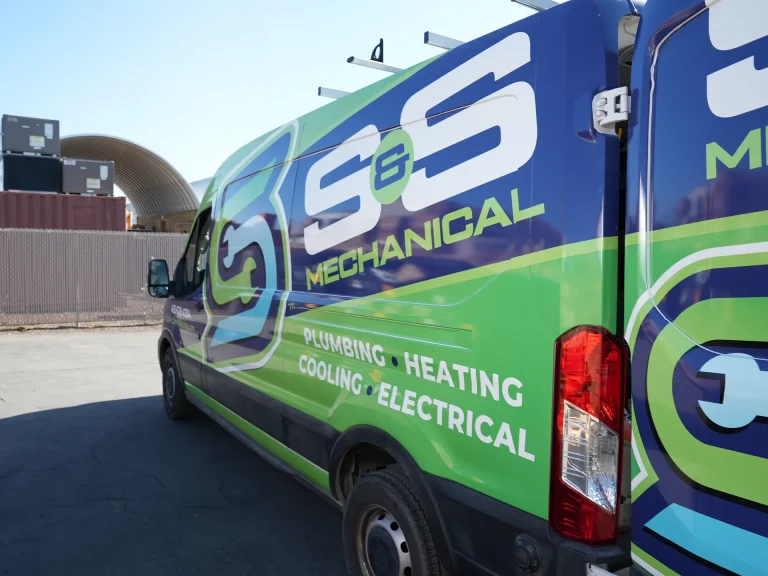
Opening up the shop over 40 years ago, S&S Mechanical started as a small operation and quickly grew through referrals from happy customers eager to tell their friends and family about their experiences. That steady growth reflects a simple commitment to doing careful, honest work. Our normal business hours are Monday through Friday 7am to 5pm, and we are also available on-call for emergencies when a failing line cannot wait. We serve Kanarraville and the surrounding communities across St. George, Washington, Santa Clara, Ivins, Hurricane, Cedar City, and La Verkin, UT, and we bring the same standard of installation and cleanup to every job. Whether you need a straightforward sewer line replacement, routine plumber service, or a fresh sewer line installation, S&S Mechanical is ready to help.